
Understanding the psychological triggers behind gambling behavior
The Allure of Gambling: Excitement and Escape
Gambling attracts individuals by offering a thrilling escape from daily life. Many find excitement in the possibility of winning, which can create a sense of euphoria. This rush triggers dopamine release in the brain, reinforcing the gambling behavior and making it more appealing. The anticipation of a win can overshadow the reality of frequent losses, leading players to chase that elusive high. At a Wildsino licensed casino, this experience is enhanced by a vast selection of games that cater to various preferences.
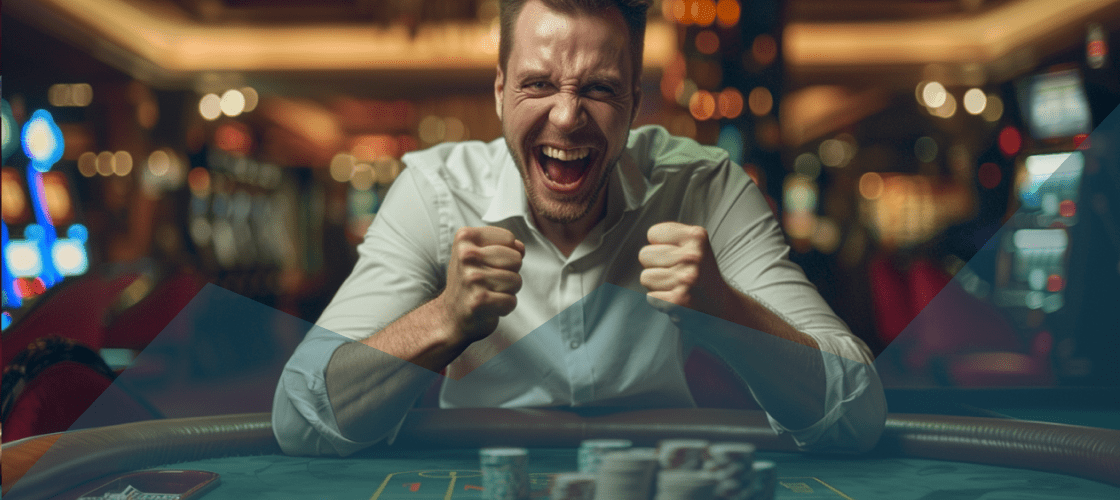
This psychological response often serves as a temporary escape, allowing gamblers to forget their problems and immerse themselves in a world of chance. The emotional highs associated with gambling can become addictive, prompting individuals to seek out this experience more frequently. Understanding this dynamic is crucial for recognizing the potential for unhealthy gambling habits.
The Role of Cognitive Biases
Cognitive biases play a significant role in shaping gambling behavior. One common bias is the illusion of control, where players believe they can influence the outcome of a game, even in purely chance-based scenarios. This misconception can lead to increased gambling as individuals feel empowered to «beat the odds.» Furthermore, being aware of these biases can help in addressing the future trends in gambling, allowing for more informed choices.
Another prevalent bias is confirmation bias, where gamblers focus on wins while ignoring losses. This selective memory can reinforce the belief that they are more successful than they actually are, which can perpetuate continued gambling. By understanding these cognitive biases, individuals can better recognize and mitigate their influence on gambling behavior.
The Social Influence of Gambling
Social factors significantly impact gambling behavior. Many people are introduced to gambling through friends or family, creating a social environment that normalizes this activity. Peer pressure can compel individuals to gamble, especially in settings like casinos or during sporting events, where the excitement is palpable.
Additionally, the rise of online gambling has made it more accessible, often accompanied by social media influences that glamorize gambling. This interconnectedness can lead to an increase in participation, particularly among younger audiences. Understanding the social dynamics can provide insight into why gambling behaviors develop and persist in certain communities.
The Psychological Impact of Losses
The psychological impact of losses in gambling can be profound. Many gamblers experience a phenomenon known as loss aversion, where the pain of losing is felt more intensely than the pleasure of winning. This can lead to a cycle of chasing losses, where individuals continue to gamble in an attempt to recover lost funds.
This behavior can contribute to escalating stakes and a compulsion to gamble despite negative consequences. Recognizing the emotional toll of gambling losses is essential for understanding the deeper psychological triggers at play. It highlights the need for effective coping strategies to manage emotions related to both wins and losses.

Exploring a Safe Gaming Environment at Wildsino Casino
At Wildsino Casino, we prioritize a safe and enjoyable gaming experience for all our players. Understanding the psychological triggers behind gambling behavior informs our approach to responsible gaming. We encourage players to set limits and recognize when it might be time to take a break.
With over 4,000 exciting games and live dealer options, our platform provides a thrilling experience while emphasizing player well-being. We offer tools to help manage gameplay, ensuring that fun remains at the forefront. Join us at Wildsino Casino and explore a responsible gaming environment that values both excitement and safety.


